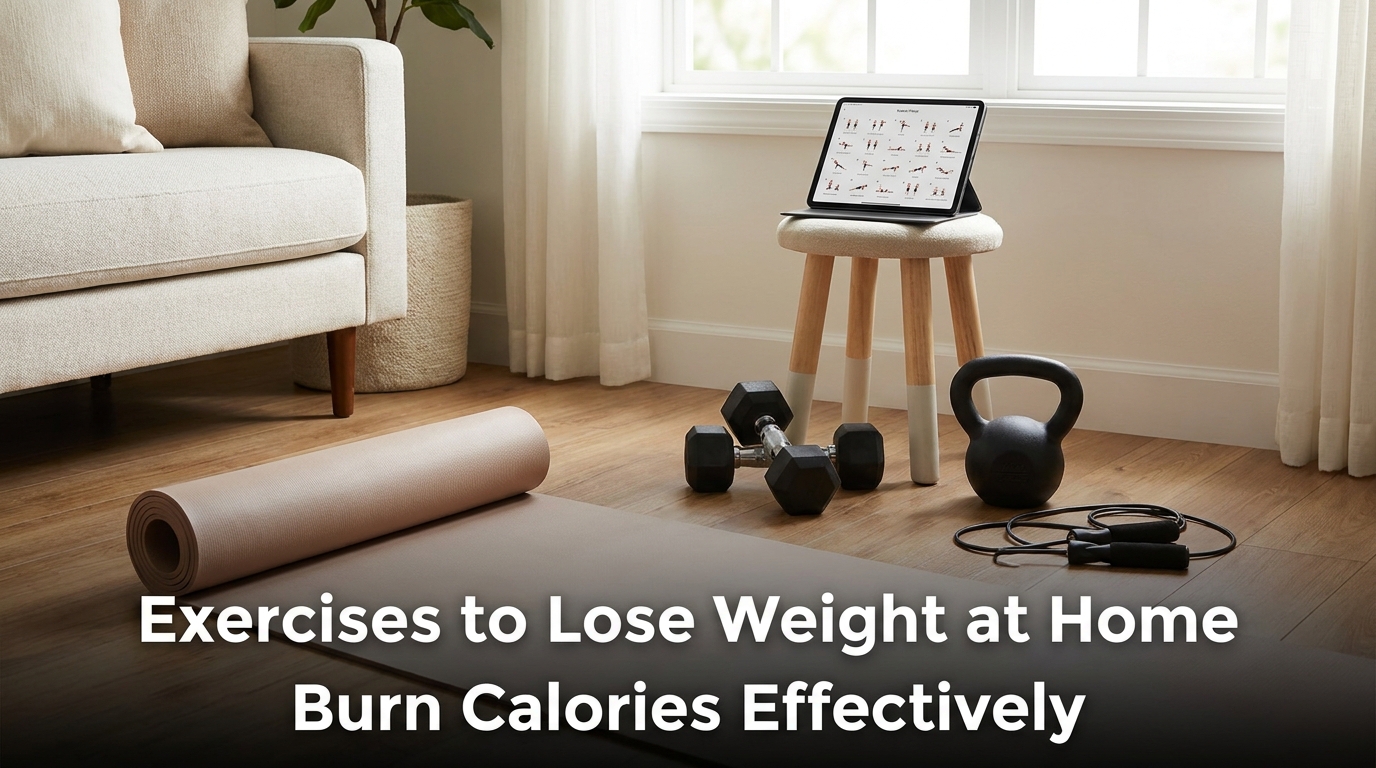
Achieving an ideal physique and staying physically fit is a common goal for many people. Beginners often assume that burning fat requires an expensive gym membership and high-end equipment. In reality, consistent home workouts are equally effective at producing real, lasting results. Performing exercises to lose weight at home offers a practical, budget-friendly solution to transform your health on your own terms.
GetQardio provides beginner-friendly, evidence-based home workout routines designed for consistency and progress. The core formula for success combines structured movement patterns with a balanced monthly nutrition plan. You can explore targeted weight loss training routines to build a complete home fitness strategy without ever leaving your living room.
Starting an independent workout routine also frees you from strict scheduling constraints, allowing you to fit exercise seamlessly into a busy workday. Review the guide below to launch your personal calorie-burning journey.
Advantages of Low-Impact HIIT for Beginners
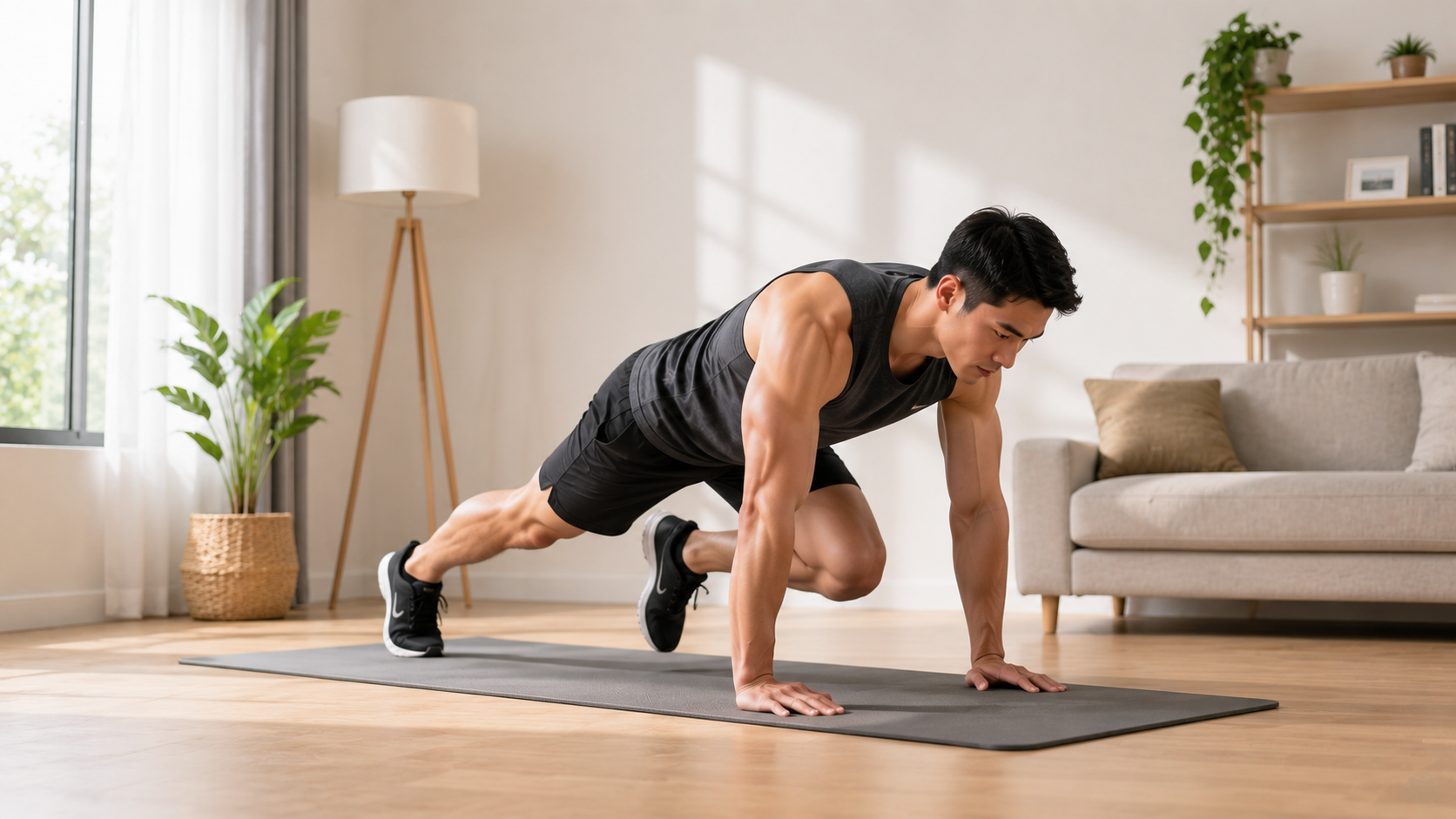
Choosing low-impact exercises is crucial for beginners or individuals carrying excess body weight to protect joint integrity. Low-impact High-Intensity Interval Training (HIIT) delivers all the cardiovascular benefits of traditional interval routines without high-stress jumping movements.
By eliminating high-impact landings, this method minimizes stress on knees, ankles, and lower back joints. Despite the lack of jumping, a steady interval rhythm keeps your heart rate in an optimal fat-burning zone, promoting heavy sweating while keeping your joints safe.
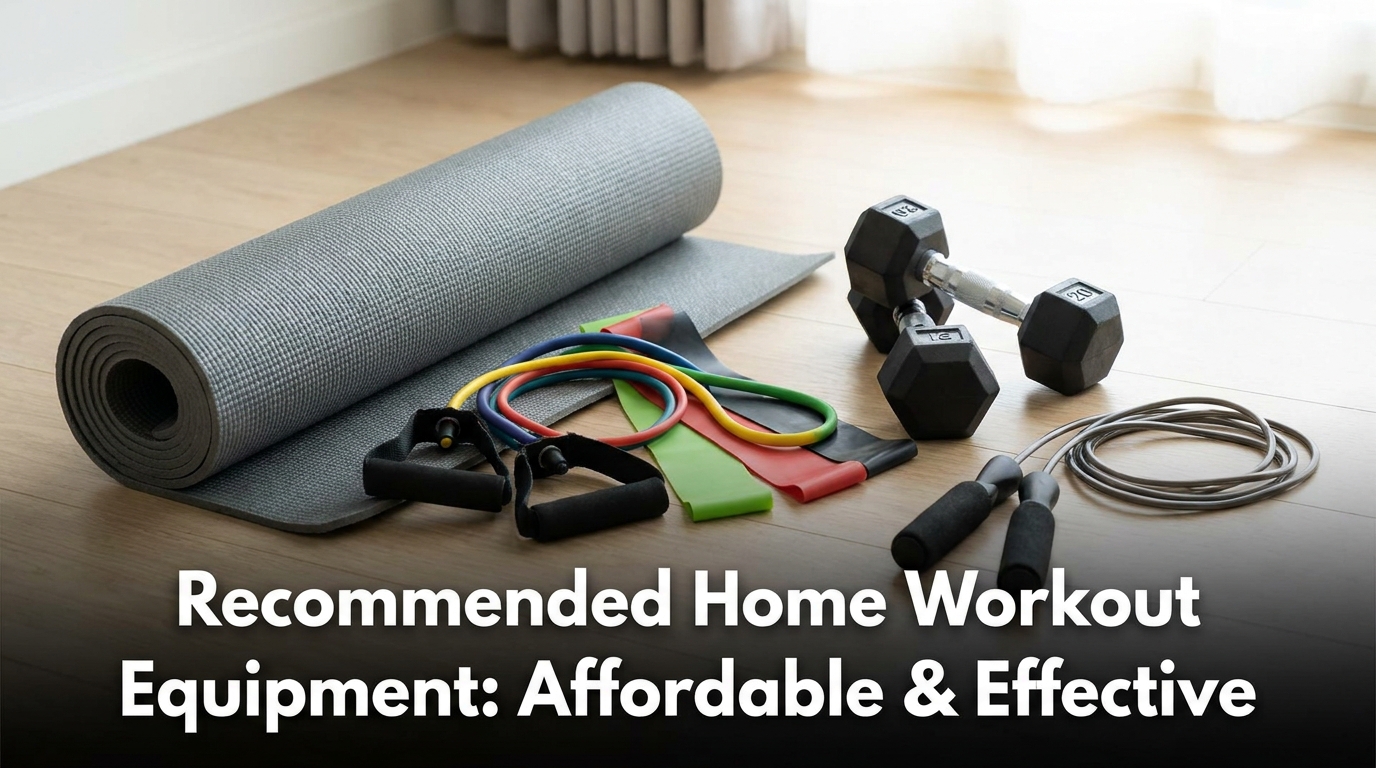
Furthermore, low-impact routines require minimal floor space, making them ideal for small apartments or living rooms. A basic exercise mat is all you need to maintain comfort throughout each session.
Understanding the Afterburn Effect for Maximum Calorie Burn
One of the greatest benefits of high-intensity interval workouts is the Afterburn Effect, scientifically known as Excess Post-Exercise Oxygen Consumption (EPOC). This physiological process allows your body to burn calories at an elevated rate long after your workout has ended.
During intense interval exercises, your body’s oxygen demand spikes. Once the session ends, extra energy is required to restore metabolic balance, repair muscle tissue, and clear lactic acid. The calories needed for this recovery phase are drawn directly from stored body fat reserves.
| Exercise Metric | Steady-State Home Cardio | Low-Impact Home HIIT | Strategic Advantage |
| Primary Metabolic Advantage | Constant during workout | Elevated during and post-workout | Maximizes calorie output per minute |
| Post-Workout EPOC | Lasts 1 to 2 hours | Lasts up to 24 hours | Burns fat continuously while at rest |
| Joint Impact Level | Variable based on movement | Low joint stress | Protects knees and ankles from injury |
| Session Duration | 45 to 60 minutes | 20 to 30 minutes | Highly efficient for busy schedules |
This sustained fat-burning effect can remain active for up to twenty-four hours after exercise. Compared to traditional steady-state cardio, interval training is significantly more time-efficient at reducing stubborn body fat. Official dietary and exercise guidelines can be accessed via the Ministry of Health of the Republic of Indonesia to improve your outcomes further.
Effective At-Home Weight Loss Exercise Variations
Designing an effective home workout involves combining fundamental bodyweight movements that engage large muscle groups to maximize overall energy expenditure.
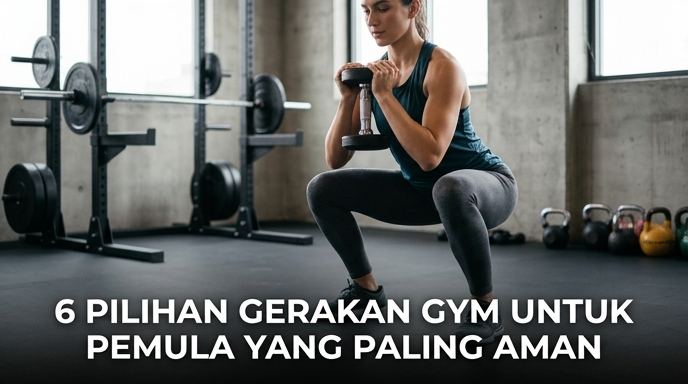
No-Jump Squats
Squats target the quadriceps, hamstrings, glutes, and hips. Stand with your feet shoulder-width apart, then slowly lower your hips as if sitting back into a chair. Ensure your knees stay aligned over your toes to keep the workload distributed evenly across your thighs.
Incline or Knee Push-Ups
Push-ups effectively strengthen the chest, shoulders, and triceps simultaneously. Beginners can modify the movement by placing their knees on an exercise mat or performing incline push-ups with hands placed against a sturdy wall.
Low-Impact Jumping Jacks
Unlike standard jumping jacks, the low-impact variation removes the jump entirely. Step one foot out to the side at a time while raising both arms overhead. This variation maintains cardiovascular intensity while remaining gentle on lower body joints.
Controlled Slow Mountain Climbers
This movement engages the core muscles while helping tone the midsection. Begin in a high plank position, then draw your knees toward your chest one at a time in a smooth, controlled rhythm without rushing.
| Day | Workout Activity Type | Session Duration | Primary Muscle Target |
| Monday | Low-Impact HIIT Session | 20 to 30 Minutes | Full Body |
| Tuesday | Active Recovery or Light Walk | 30 Minutes | Joint Mobility and Circulation |
| Wednesday | Bodyweight Resistance Training | 20 to 25 Minutes | Core and Lower Body |
| Thursday | Low-Impact HIIT Session | 20 to 30 Minutes | Calorie Burn and Cardio |
| Friday | Complete Rest Day | Flexible | Muscle Regeneration |
| Saturday | Home Cardio Combination | 30 Minutes | Endurance and Stamina |
| Sunday | Complete Rest Day | Flexible | Muscle Regeneration |
Role of a Calorie Deficit in Home Fitness Success
Consistent fat-burning workouts must be paired with an appropriate nutrition plan to yield optimal results. Establishing a calorie deficit—intaking fewer calories than your body uses each day—is crucial for long-term weight loss.
Gradually reducing processed foods, sugary beverages, and fried items will accelerate your progress. Incorporating generous portions of fiber from fresh vegetables and fruits helps keep digestion healthy and appetite regulated.
In addition, maintaining adequate daily protein intake preserves lean muscle mass during weight loss. Protein promotes fullness, reducing nighttime cravings and helping you stick to your nutrition goals.
Optimal Rest and Hydration Strategies
Muscle recovery and fat loss occur primarily while your body rests overnight. Sleep deprivation elevates cortisol levels, which can encourage abdominal fat storage and trigger false hunger cues. Strive for seven to eight hours of restful sleep every night.
Proper hydration is equally critical for keeping your metabolism operating efficiently. Drink at least two liters of water daily to support cellular function and flush out metabolic byproducts.
Drinking a glass of warm water before starting your workout can help prepare your digestive system and naturally elevate core body temperature.
Unlocking Your Full Fitness Potential at Home
Consistency with exercises to lose weight at home is the definitive factor in reaching your ideal body weight. By utilizing low-impact HIIT routines, harnessing the Afterburn Effect, and maintaining a balanced, calorie-conscious diet, you can achieve safe and lasting weight loss. Begin with simple movements today, stay committed to your routine, and experience a healthier, more energized lifestyle.
Can home workouts without equipment really burn fat effectively?
Yes, they can. Combining bodyweight resistance movements with appropriate interval intensity elevates your metabolic rate and burns a substantial number of calories.
How many times a week should I perform home fat-burning workouts?
An ideal frequency for beginners is three to four times a week, leaving rest days in between to allow for proper muscle recovery.
When is the best time of day to do daily weight loss workouts?
The best time is whenever you can exercise consistently, whether early in the morning before work or in the evening after completing your daily tasks.
Should beginners do HIIT workouts every single day?
Daily HIIT is not recommended for beginners. Adequate rest is required for recovery, so interval sessions should be alternated with rest days or light activities to prevent injury.
Why am I not losing weight despite working out regularly at home?
This is typically caused by consuming more calories than your body burns daily. Ensure you maintain a consistent calorie deficit so your body can tap into stored fat for energy.