
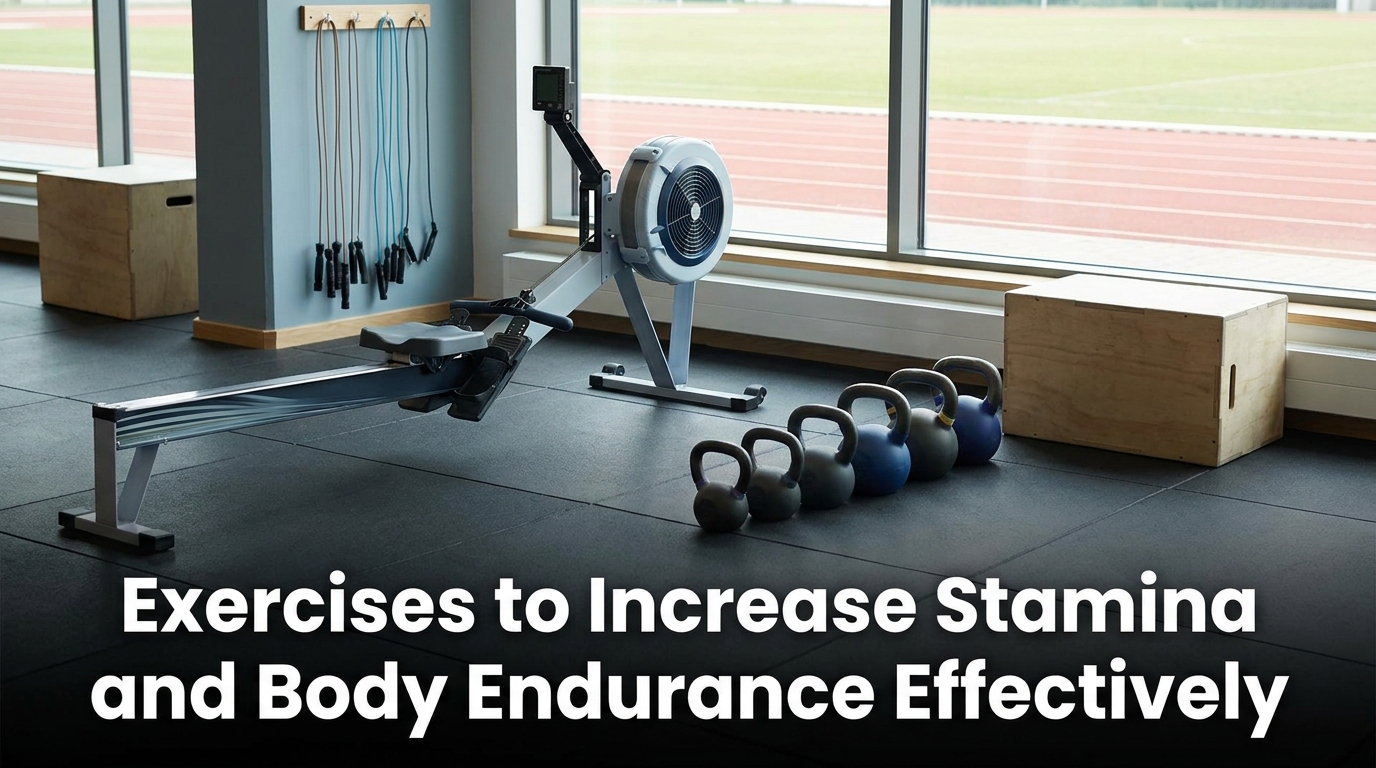
Managing a busy daily routine requires a peak physical condition and stable energy levels throughout the day. Engaging in exercises to increase stamina on a regular basis is the most effective step to prevent your body from tiring quickly during daily activities. When your physical fitness reaches an optimal level, you can complete various tasks without experiencing a drop in concentration by late afternoon.
Building physical endurance is closely linked to the efficiency of your cardiovascular system and the oxygen storage capacity of your lungs. Through structured physical activity, the heart muscle trains itself to pump oxygenated blood across all body tissues far more efficiently. Establishing this habit of regular movement yields direct long-term health benefits and improves overall daily productivity.
Importance of Boosting VO2 Max Capacity and Cardiovascular Health
An individual’s physical performance is heavily influenced by their VO2 Max level, which represents the maximum volume of oxygen the body can utilize during intense exertion. The higher this capacity measurement, the stronger your physical endurance will be when handling heavy tasks. You can also explore cardio muscle recovery exercises to maintain balanced tissue repair between high-intensity training sessions.
| Fitness Parameter | Unconditioned Physical State | Post-Training Physical State | Primary Health Advantage |
| Resting Heart Rate | Higher beats per minute | Lower and steady resting rate | Reduces stress on the cardiac muscle |
| Oxygen Uptake (VO2 Max) | Limited lung intake capacity | Expanded maximal volume | Prevents early fatigue and cramps |
| Arterial Elasticity | Stiffer blood vessel walls | Enhanced vessel flexibility | Improves systemic blood circulation |
| Muscle Recovery Time | Prolonged soreness duration | Rapid muscle regeneration | Enables consistent daily activity |
Strengthening the cardiovascular system helps blood vessels operate with greater flexibility and smooth flow. A healthy heart keeps your resting heart rate lower because each contraction delivers a larger volume of blood. This prevents excessive fatigue when you are faced with sudden physical workloads. Official recommendations on weekly movement targets are available via the World Health Organization Physical Activity Guidelines to support your long-term planning.
Top Endurance Building Exercises for Maximum Performance

Various types of aerobic exercises can be selected based on your personal preferences and physical comfort. The ultimate key to successful training lies in your execution consistency and weekly frequency.
Jogging and Steady Light Running
Running at a steady pace is an extremely popular and accessible method for building physical endurance. Constant rhythmic movements train the leg muscles while encouraging the respiratory system to operate systematically. When practiced consistently three times a week, your functional lung capacity will increase significantly.
Cycling for Leg Power and Cardiac Health
Cycling serves as an ideal option for those who wish to build cardiovascular endurance without placing heavy impact loads on knee joints. This exercise strengthens the thigh and calf muscles while boosting the stamina of your circulatory system. Continuous pedaling over a set duration burns calories efficiently while developing daily physical resilience.
Swimming for Full Body Muscle Engagement
Swimming engages nearly all major muscle groups in the body simultaneously. Water resistance requires stricter breathing control, allowing cardiorespiratory endurance training to reach maximum effectiveness. This sport also presents a relatively low risk of joint injury compared to land-based physical activities.
High Intensity Interval Training
High-intensity training variations interspersed with short recovery periods are proven to boost physical fitness within a brief timeframe. Combining fast movements such as burpees, jumping jacks, and mountain climbers pushes cardiac function toward peak levels periodically. This approach works exceptionally well for individuals managing limited time amidst busy work schedules.
Applying Progressive Overload Principles to Prevent Fatigue
The physical adaptation process requires a gradual increase in training loads, a concept known as progressive overload. Forcing your body into high-intensity activities abruptly will only lead to physical injury and chronic burnout.
- Begin with a fifteen-minute running session during your initial training week
- Increase the running duration gradually by five minutes in subsequent weeks
- Alternate workload increases between total duration, overall distance, or speed intensity
- Incorporate dedicated rest days to allow muscle fibers to repair properly
- Maintain a regular night sleep schedule of eight hours to support physical regeneration
Meanwhile, allowing sufficient rest time forms an essential part of learning how to build stamina properly. Muscle cell regeneration and energy restoration occur when the body is resting or sleeping soundly. Ensure that you balance your physical training schedule with adequate rest to keep your body in optimal condition.
Lifestyle Support Tips to Optimize Aerobic Stamina
Physical activity must be supported by a healthy lifestyle to deliver maximum results for your overall body fitness.
Balanced Nutritional Intake
The body requires high-quality fuel to drive mechanical functions during physical exercise. Consuming complex carbohydrates such as brown rice or whole grains provides a steady energy supply over extended periods. In addition, adequate protein intake is crucial for accelerating the repair of damaged muscle tissue following training.
Proper Body Fluid Hydration
Dehydration can lower physical performance and trigger sudden muscle cramps during workouts. Drink plain water regularly before, during, and after completing your physical activity sessions. Proper hydration habits maintain blood flow consistency, keeping the oxygen supply to your muscles completely smooth.
Dedicated Warm Up and Cool Down Routine
Before starting your core movements, set aside five to ten minutes to execute dynamic warm-up exercises. This step aims to elevate your body temperature and prepare your joints to avoid injury risks. After completing your workout, perform static stretches to lower your heart rate gradually back to normal levels.
Sustainable Path to Everyday Fitness and Peak Energy
Consistency in performing exercises to increase stamina remains the ultimate key to achieving superior physical endurance. Combining regular cardiovascular training with gradual workload progression and proper daily nutrition will keep bothersome fatigue at bay.
These positive changes not only enhance your physical fitness on the field, but also boost your daily focus and overall productivity. Start structuring a simple training routine today and experience a genuine increase in your physical energy levels.
How many times a week should I exercise to build stamina?
Exercising three to five times a week for a total duration of at least one hundred and fifty minutes is ideal for achieving stable physical fitness.
How long does it take to feel an increase in body stamina?
Improvements in physical fitness typically become noticeable after two to four weeks of regular training combined with adequate rest and proper nutrition.
Can regular walking help increase body endurance?
Walking consistently at a brisk pace trains the blood circulatory system effectively and serves as a great starting point for beginners.
How do I distinguish normal muscle soreness from chronic workout fatigue?
Normal muscle soreness dissipates within two days following rest, whereas chronic fatigue is marked by prolonged lethargy, dizziness, and decreased sleep quality.
When is the best time of day to perform cardio workouts?
The best time is highly flexible and depends entirely on your personal schedule, whether in the morning to refresh your body or in the late afternoon after completing daily activities.